We tend to remember festivals as nostalgia: sweets, lights, family around a table. But look closely at the old stories beneath them and their messages turn out to be startlingly current.
Choti Diwali is a good example. Also known as Naraka Chaturdashi or Kali Chaudas, it falls on the fourteenth day of the dark half of the month, and it is usually overshadowed by the grand Lakshmi Puja the next night. Yet this quieter day carries a blueprint that speaks to how we live now.
The Fall of Narakasura
Narakasura was a tyrant king of Pragjyotisha, drunk on his own invincibility. He terrorised heaven and earth, hoarded wealth, stole the divine earrings of the goddess Aditi and held 16,000 royal women captive.
Krishna rode out to end his reign, with his wife Satyabhama beside him. She is regarded as an avatar of the earth goddess Bhumidevi, and in the famous telling, it is she who delivers the final blow.
Then comes the unexpected part. Dying, Narakasura repented. His last request was that the world should not mourn him, but celebrate the day as the triumph of light over darkness. That is how Choti Diwali was born. In other traditions the same night belongs to Kali, the fierce destroyer of ego, or to Yama Deepam, when lamps are lit to ward off untimely death.
Our Narakasura Looks Different Now
We no longer fight demons on battlefields. But every era grows its own. The old rituals of this day work surprisingly well as a guide to ours.
The inner Narakasura
Narak means hell, and psychologically it is a state of mind. Today it looks like burnout, digital fatigue, anxiety and the relentless pressure of hustle culture.
The tradition answers with Abhyanga Snan, a bath before sunrise with sesame oil, water and ubtan. Read it as deliberate mindfulness. In a world that never unplugs, it asks you to slow down, tend to your body and wash off a year of mental exhaustion.
Shared leadership
Krishna did not win alone. Narakasura could be slain only by someone born of the Earth, so Krishna, the story says, feigned exhaustion and let Satyabhama step forward.
That is a lesson in collaborative leadership. Progress, in boardrooms, laboratories or governments, needs this kind of shared power and mutual respect, not a lone hero and a passive onlooker.
Dignity after the victory
After the battle, Krishna freed the captive women. Knowing society might shun them, he gave them royal status, security and a place of honour.
This is the part we forget. Defeating an oppressor is not the end. Real victory means restoring dignity, resources and safety to those who were harmed, which is the work of anti-trafficking efforts and refugee rehabilitation today.
Clearing the clutter
The days before Choti Diwali are spent deep-cleaning, sorting and discarding what is broken or unused. It was meant to prepare a home for prosperity. It also echoes modern minimalism and therapeutic decluttering, and a calmer space does help a calmer mind.
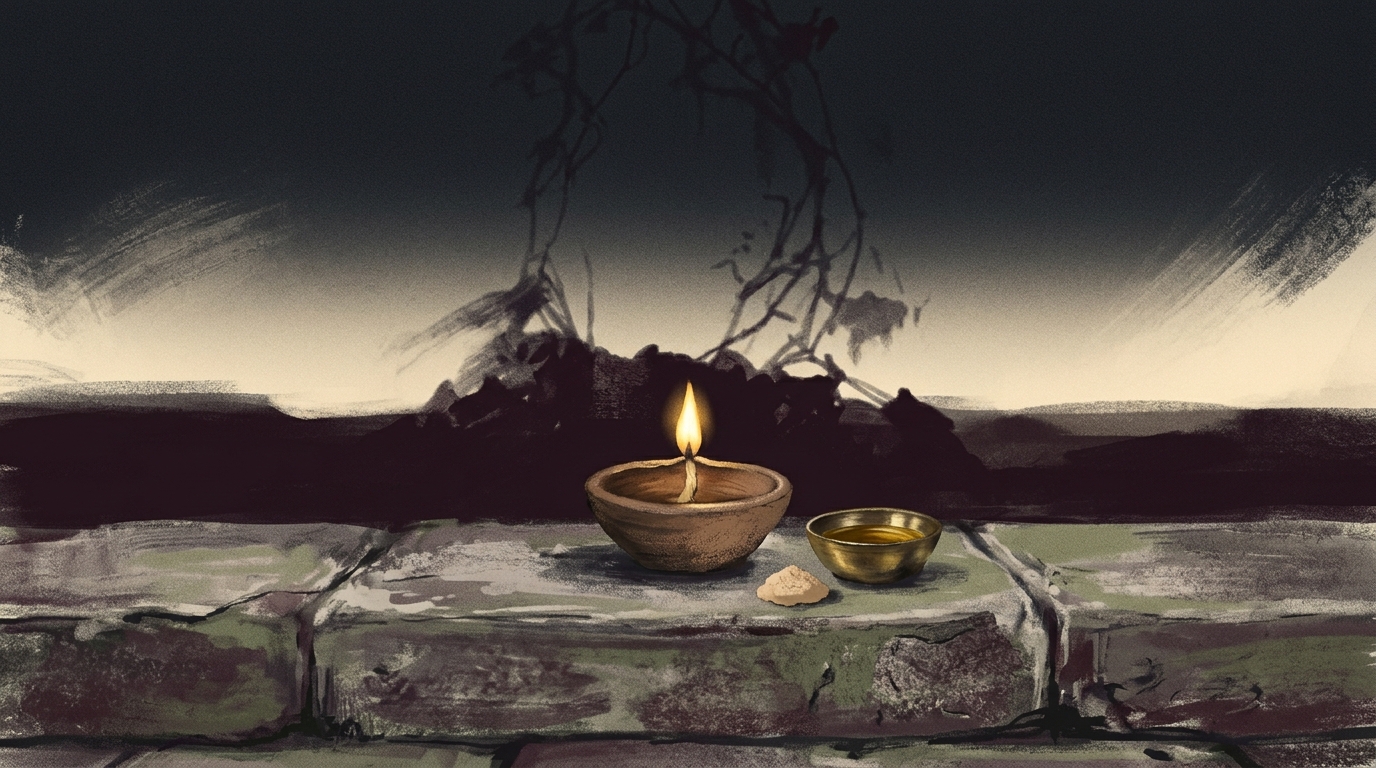
Many families now light clay diyas instead of setting off loud, polluting firecrackers, bringing the festival back to its earth-honouring roots.
Growth Takes Time
Darkness is rarely defeated overnight. Choti Diwali is the bridge, the day of preparation. Before we invite abundance and joy into our lives, we have to roll up our sleeves: cleanse our surroundings, face our inner vices, stand up for fairness and care for our own well-being.
As you light the first diya of the season, may you find the strength to quiet your doubts and the peace to heal your mind. May your home be safe and well, may stress and anxiety be washed away to make room for wisdom and calm, and may no one be left behind in the dark.
Happy Choti Diwali.
Loading comments…