Kafka would have recognized this thought immediately—not as philosophy written from a distance, but as something lived, suffered, and quietly observed.
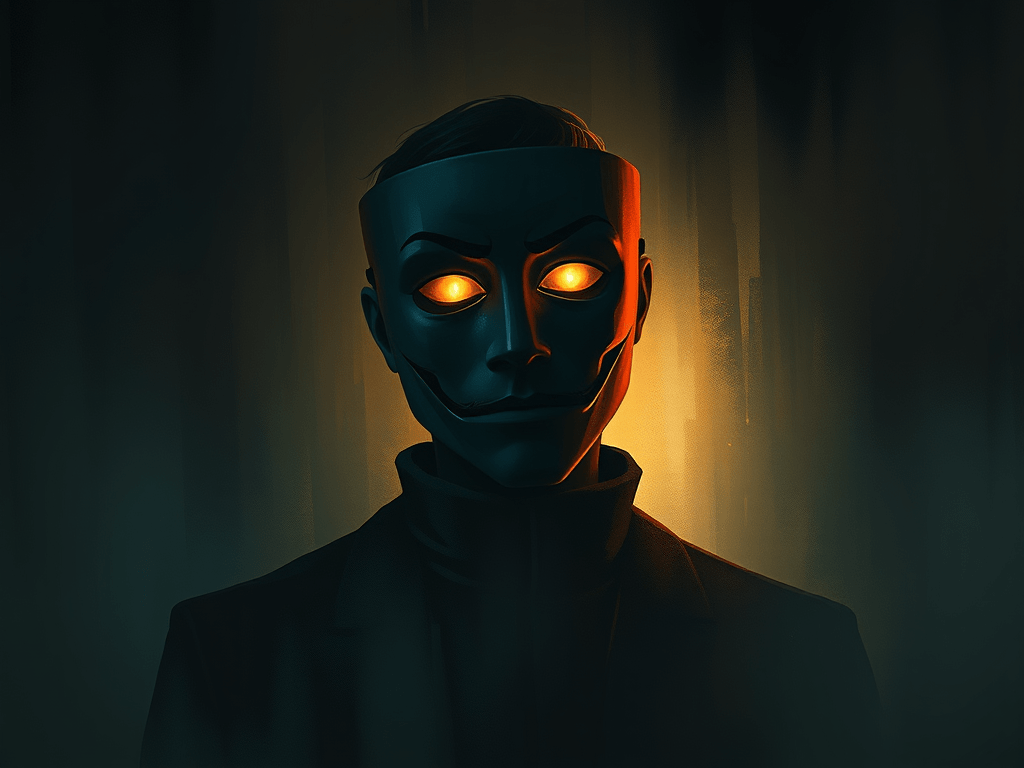
When we say “apna koi nahi hota, apna sirf waqt hota hai” (“no one is truly ours, only time is”), we are touching the same nerve Kafka exposed when he wrote about the costume party of life. Kafka wasn’t accusing people of being fake out of malice; he was mourning the fact that survival itself forces us to perform. Time, circumstances, power, fear—these decide which mask people wear and whom they stand beside.
From Kafka’s lens, relationships are rarely pure choices. They are in negotiations with time. When time is kind, people have the luxury to be loyal, warm, and present. When time turns cruel, fear speaks louder than affection. Kafka understood that most people don’t betray others because they are evil—they do it because they are terrified of being left behind by time itself.
That’s why the line “waqt accha hua to gair bhi apne ho jaate hain” feels painfully accurate. Kafka saw how kindness often appears when it is safe. When things are stable, empathy flourishes. But once uncertainty enters—failure, poverty, illness, rejection—the masks tighten. Suddenly, even “our own” look away, not always out of hatred, but out of self-preservation.
What makes Kafka especially relevant here is that he never placed himself above this truth. He included himself among the masked. His shame wasn’t directed only at others—it was inward. “I showed up wearing my real face” is not a boast. It’s a confession. He felt exposed, fragile, and almost foolish for believing that authenticity would be rewarded in a world structured around appearances and timing.
From a personal, human perspective, this realization hurts because it strips away comforting illusions. We grow up believing relationships are fixed—family, friends, love. Kafka teaches us that many bonds are conditional, silently governed by timing, convenience, and circumstance. That doesn’t mean love isn’t real; it means it’s vulnerable to forces larger than emotion.
And yet, the final line—“jo tumhara apna hoga wo tumhe dhoondh ke milega”—is where Kafka would quietly soften. He believed that while the world may not protect sincerity, sincerity still matters. Not because it guarantees loyalty, but because it preserves your inner coherence. If you lose that, you survive—but as a stranger to yourself.
Believing in yourself, then, is not motivational talk. It’s survival advice. Kafka knew that when people drift away with changing time, the only continuity you truly possess is your inner truth. If something—or someone—belongs with you beyond circumstance, they won’t need perfect timing. They will arrive even when things are inconvenient, even when it costs them something.
Kafka’s sadness was not that people wear masks. It was the world that made masks necessary. And his quiet courage was choosing, again and again, to remain honest—even when it hurt, even when it isolated him.
That’s why this thought feels so deeply human. It doesn’t teach cynicism. It teaches clarity:
Time reveals people. Hard moments filter relationships. And in the end, the only thing you must not abandon—no matter how bad times get—is yourself.

Leave a comment