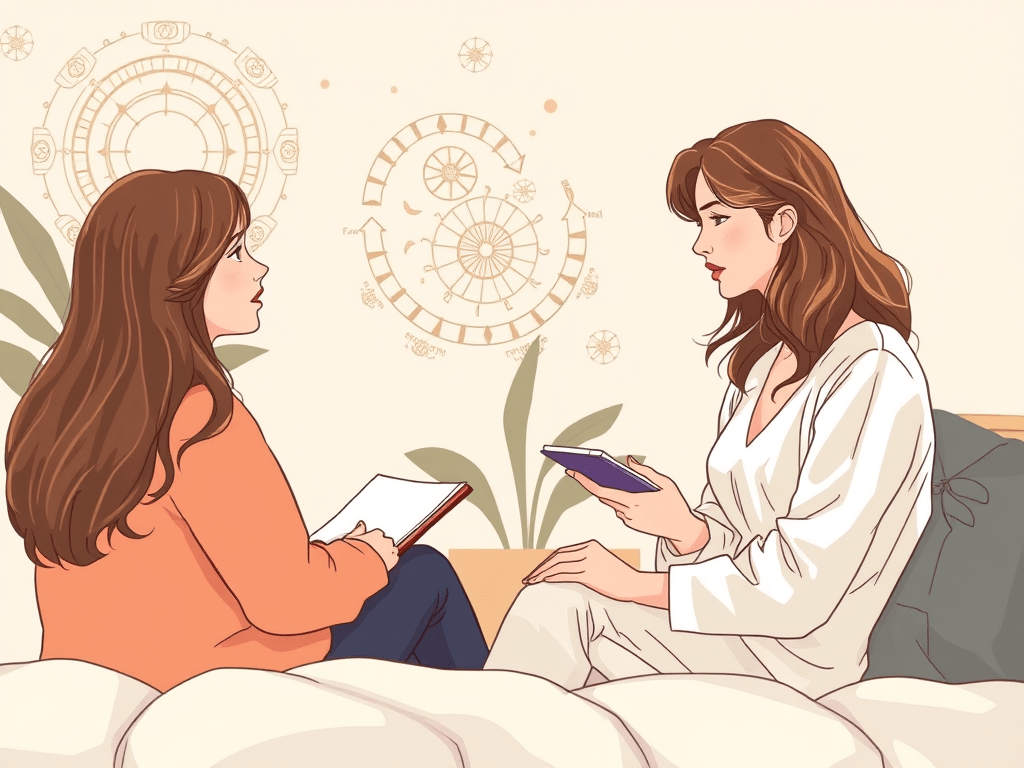
If you’ve ever found yourself asking, “Why do I attract the same type of partner?” or “Why do my relationships end the same way?” —You’re not alone.
Repeating unhealthy relationship patterns is one of the most common emotional struggles people face, especially when past wounds remain unhealed.
What Does It Mean to Repeat Patterns in Relationships?
Repeating patterns means you keep experiencing similar emotional dynamics, conflicts, or outcomes with different partners.
This might look like:
- Choosing emotionally unavailable partners
- Becoming the “fixer” in every relationship
- Avoiding vulnerability or deep connection
- Feeling drained, anxious, or unappreciated
- Attracting partners who don’t match your emotional needs
These cycles aren’t random—they are psychological imprints shaped by your early experiences, attachment style, and subconscious beliefs about love.
To break them, you must first understand them.
1. Identify the Relationship Pattern You Keep Repeating
Awareness is the most important step in breaking toxic or self-sabotaging cycles.
Ask yourself:
- What type of partner do I repeatedly choose?
- What emotional role do I always end up playing—rescuer, giver, avoider, or peacemaker?
- What is the common emotional outcome?
This step is about observation, not self-blame.
Patterns are learned behaviors—usually formed to protect you in childhood or past relationships.
2. Understand the Root Cause of Your Relationship Patterns
Most patterns are born from early emotional experiences.
For example:
- If love felt inconsistent growing up, you may choose unpredictable partners.
- If you were praised for being “strong,” you might become the over-functioning partner.
- If expressing needs wasn’t safe, you may pick partners who require self-sacrifice.
Your nervous system learns what “love feels like,” even when it isn’t healthy.
To break patterns, you must gently explore:
- Your attachment style
- Past relationships
- Childhood emotional environment
- The unmet needs you’ve carried into adulthood
3. Challenge the Limiting Beliefs That Keep You Stuck
Every unhealthy pattern is tied to a core belief, often internalized long before adulthood.
Common beliefs include:
- “I have to earn love.”
- “People always leave.”
- “I’m too much.”
- “Love requires sacrifice.”
- “Healthy love won’t choose me.”
Ask yourself:
Who taught me this belief? Is it actually true—today, in my adult life?
Challenging these stories helps you reshape your emotional blueprint.
4. Practice Micro-Boundaries to Rewire Your Patterns
Boundaries are one of the most powerful tools for changing relationship cycles.
But they don’t start with dramatic ultimatums—they start with micro-movements.
Examples:
- Saying “Let me think about it” instead of automatically agreeing
- Expressing small needs without overthinking
- Not initiating every conversation
- Allowing someone else to show up for you
- Saying no without guilt or long explanations
Micro-boundaries teach your brain that love doesn’t require self-abandonment.
5. Slow Down Your Emotional Reactions
Patterns are often triggered by emotional impulses—panic, fear, insecurity, abandonment wounds.
You can break them by:
- Pausing before reacting
- Asking “Is this my fear or the reality?”
- Naming the emotion out loud
- Regulating your nervous system through breath or grounding
Slowing down gives you the power to choose a new response.
6. Choose Partners Who Align With Your Healed Self
One of the most life-changing realizations is this:
You don’t break patterns by fixing others.
You break patterns by choosing differently.
When you begin healing, you may notice:
- You’re no longer drawn to emotionally unavailable people
- Consistency starts to feel comforting instead of “boring”
- Peaceful love becomes more attractive than chaotic chemistry
- You value communication over chase dynamics
This is your new emotional compass forming.
7. Replace Judgment With Curiosity
This healing work isn’t linear.
You might fall back into old patterns.
You may choose someone who reminds you of your past.
That doesn’t mean you’re failing—it means you’re learning.
Instead of saying, “I messed up again,” try:
- “What part of me was activated?”
- “What need was seeking attention?”
- “How can I show up differently next time?”
Curiosity opens the door to growth.
Self-criticism keeps you stuck.
8. Rewire Your Emotional Template With Self-Love and Self-Safety
Ultimately, patterns repeat because a part of you doesn’t feel safe choosing differently.
Healing includes:
- Practicing self-compassion
- Validating your own emotions
- Allowing yourself to receive love, not just give it
- Trusting your own intuition
- Building self-worth from within
When you feel safe inside yourself, you stop seeking familiar pain.
Final Note: You Can Break the Pattern—Gently, Consistently, and With Love
Every cycle you’re tired of repeating is also a doorway into deeper self-understanding.
You don’t need to uproot everything overnight.
Small choices, mindful pauses, and gentle boundaries create massive emotional shifts.
You are not trapped.
You are transforming.
Your patterns were learned in pain.
They can be unlearned in love.
And you deserve a relationship that feels like support, safety, and softness—not survival.

Leave a comment